An Invisalign Dentist’s Guide to the Adjustment Period
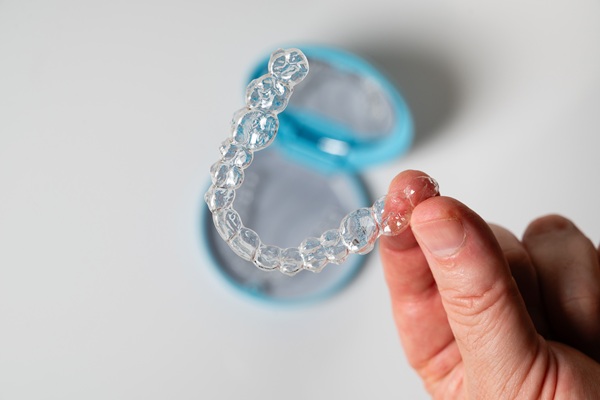
Starting treatment with an Invisalign® dentist feels exciting, but it also brings a few new routines. The trays fit snugly over your teeth, apply gentle pressure, and stay in place for most of the day. An Invisalign dentist can help patients know what to expect, which can make this adjustment period easier.
What the first few days of Invisalign may feel like
The first few days of Invisalign treatment take some adjustment. Patients may notice pressure, tightness, or mild soreness as the teeth begin responding to the clear aligner trays. This feeling means the trays are doing their job: applying the controlled force needed to guide the teeth into their proper positions.
Keep in mind that the first tray typically brings the most initial discomfort. It may last a few days, but it should stop hurting on its own. Many patients report that following trays only bring 24 to 48 hours of discomfort as the teeth adjust.
The tongue, cheeks, and lips also need time to adapt to the smooth plastic of the very first aligner tray. This is another reason why Invisalign may feel more noticeable during the first several days, particularly when speaking or swallowing. As time goes by, patients tend to become much less aware of the plastic feel of the trays once the mouth adjusts.
Some patients notice extra saliva at the beginning of Invisalign treatment, as well. This happens because the mouth recognizes the aligners as something new. The response usually calms down within a day or two as the mouth becomes familiar with the trays.
Getting comfortable with speech
A slight lisp can happen when patients first start wearing Invisalign. Certain sounds, especially “s” or “z” sounds, may feel different because the tongue has to move around a new surface. This change usually improves quickly with practice.
Although patients may want to do the opposite, talking more can help the mouth adjust to the aligner trays. Practice makes perfect. Reading out loud, having normal conversations, or practicing tricky words can train the tongue to work around the trays.
Note that most speech changes feel more noticeable to the patient than to anyone else. As confidence grows, speaking with aligners should start to feel natural. An Invisalign dentist can check the fit if speech changes feel uncomfortable or continue longer than expected.
Building a simple daily routine
Invisalign treatment depends on consistent wear. Patients need to wear aligners for 20 to 22 hours each day, removing them only for meals, snacks, and oral hygiene. This schedule helps the teeth move as planned and can make each tray change feel smoother.
A few simple habits can also make the routine easier:
- Take out the aligners before eating or drinking anything except water
- Store trays in a protective case anytime they are out of the mouth
- Brush and floss the teeth before putting aligners back in
- Rinse aligners with cool or lukewarm water before reinserting them
- Switch to new trays on the schedule recommended by the Invisalign dentist
These habits help protect the aligners, the teeth, and the treatment plan. Moreover, they reduce the chance of stains, odors, painfully trapped food, and avoidable treatment delays.
Staying encouraged through the process
The adjustment period tends to feel short compared with the full Invisalign treatment journey. New habits may feel awkward at first, but they will eventually become automatic with repetition. To learn more, contact our Invisalign dentist at Smile Design Specialist today.
Request an appointment here: https://www.smiledesignspecialist.com or call Smile Design Specialist at (201) 627-5060 for an appointment in our North Arlington office.
Check out what others are saying about our dental services on Yelp: Invisalign Dentist in North Arlington, NJ.
Related Posts
Invisalign® provides a discreet and effective alternative to traditional braces, but treatment success depends on the provider's expertise. Choosing the best Invisalign dentist ensures precise treatment planning, optimal results, and a smooth experience. This starts with researching qualifications, experience, and patient reviews to help identify a dentist who can deliver the care suited to your…
Are you trying to choose between clear braces or aligners? When considering teeth straightening treatment, many individuals want to find a balance between discreet treatment and predictable, long-lasting dental results. If you are ready for a better-aligned smile, the following highlights five important distinctions between these two options and how they can affect your daily…
In recent years, clear braces have been a preferred method of straightening teeth. People of all ages can enjoy the benefits these braces provide. However, if you are not careful, yellow and brown stains can appear on them, making the braces stand out. If you follow some basic guidelines, you can maintain their invisibility.There was…
Spacers are often needed in orthodontics to help enhance the entire treatment process. A lot of people have a need for spacers to ensure that their orthodontic treatment goes to plan. This addition to braces or aligners may be recommended by a general dentist. This article outlines what spacers are, how they work, and when…